
TurbinLe
Project manager: Dipl.-Ing. Maria Glava
Motivation
Hydrogen has strong potential as a low-carbon fuel for gas turbines, as it can significantly reduce or eliminate CO₂ emissions during combustion. However, hydrogen combustion produces substantially higher steam concentrations than conventional hydrocarbon fuels. This creates new challenges for turbine materials, particularly regarding high-temperature oxidation and fatigue performance.
Objective
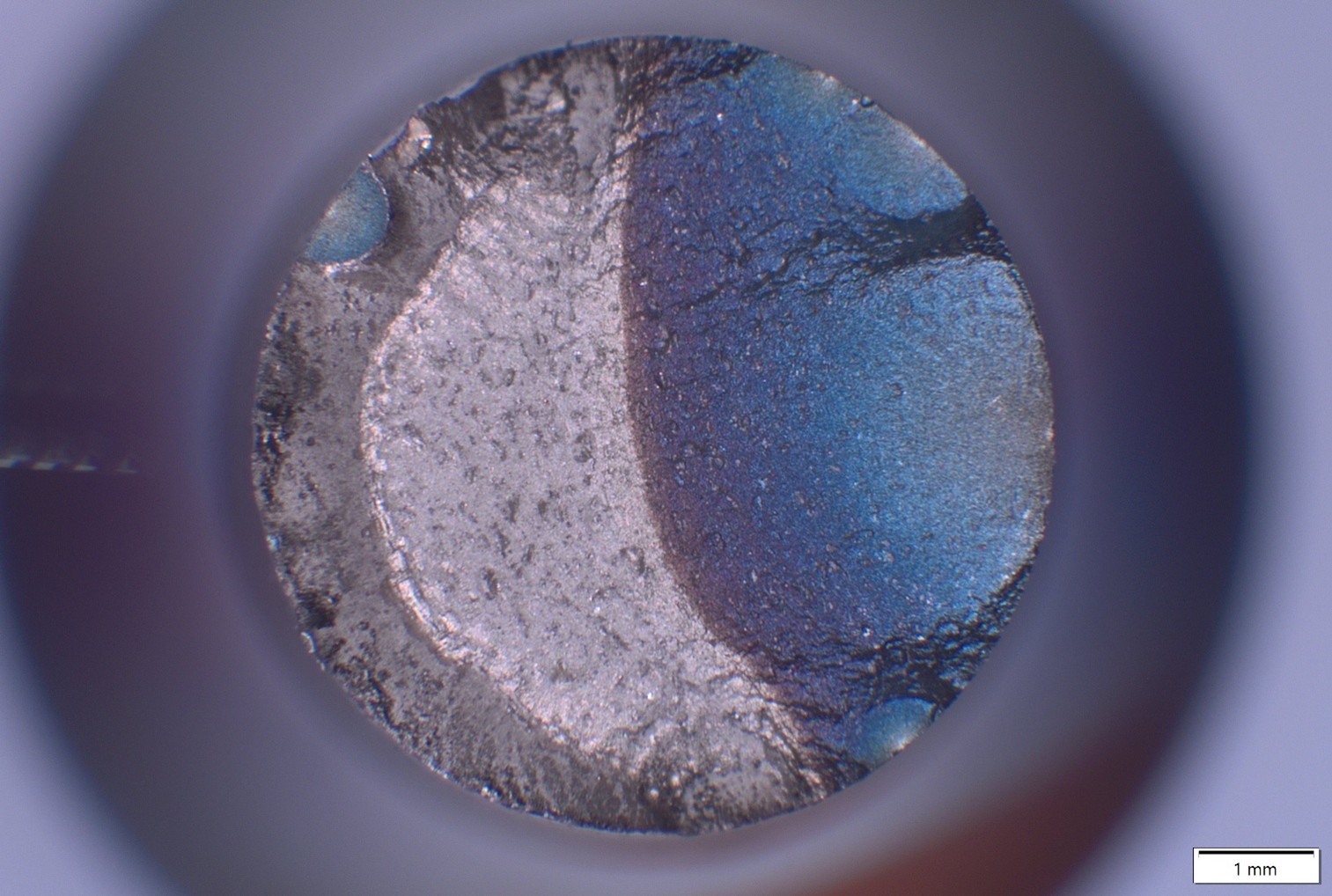
This project investigates the influence of water vapor oxidation on crack initiation, oxide-scale integrity, and the fatigue life of turbine materials. The low-cycle fatigue behavior of pre-oxidized and unoxidized specimens is compared under high-temperature conditions.
Methods
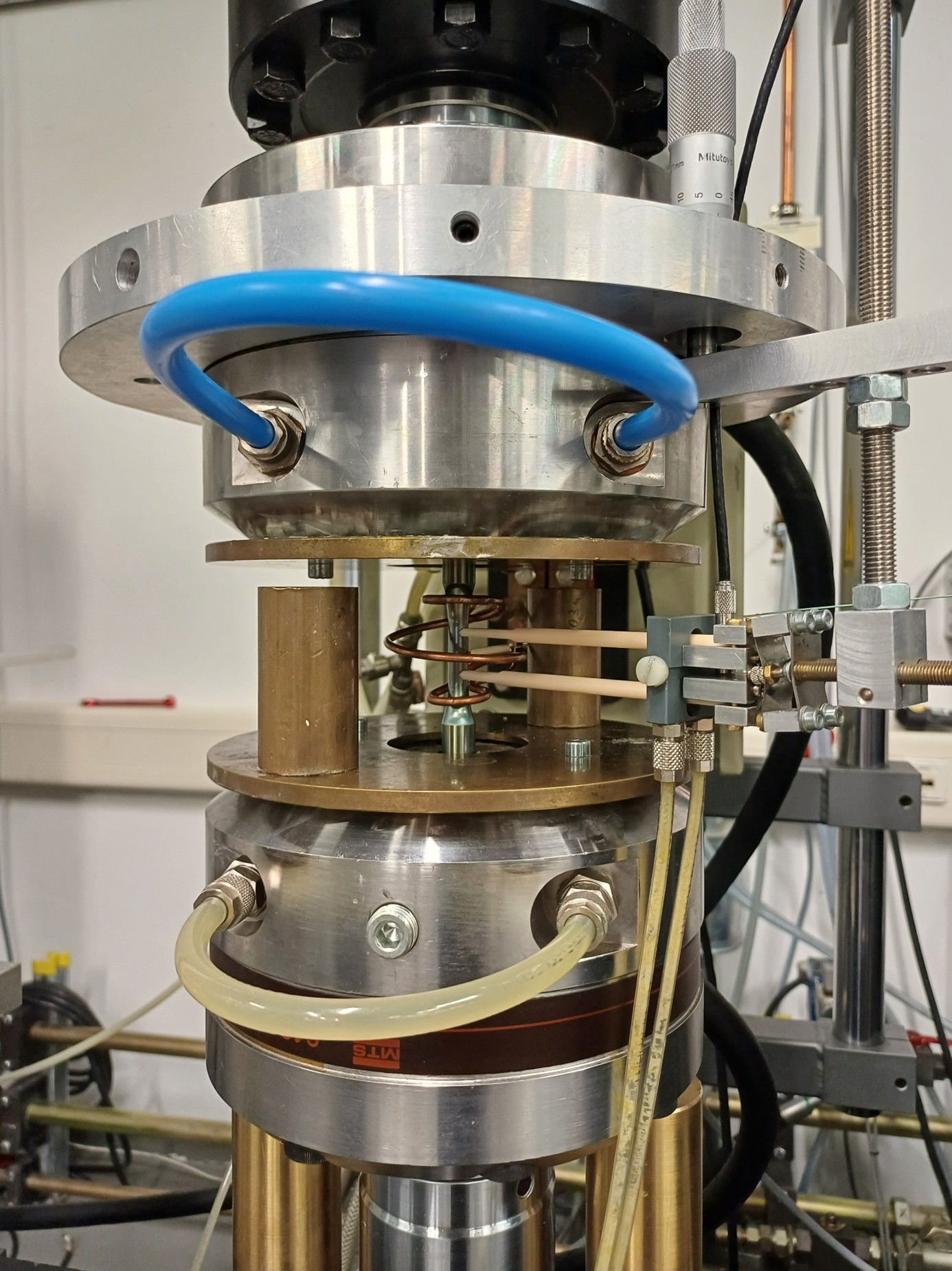
- High-temperature low-cycle fatigue (LCF) testing of Ni-based alloys
- Microstructural characterization of precipitates
- Investigation of crack initiation and growth, damage mechanisms, and oxide scales
Project Partners
- MTU Aero Engines
- DLR – German Aerospace Center
- Fraunhofer Institute for Mechanics of Materials (IWM)
Funding
This project is funded by the German Federal Ministry for Economic Affairs and Energy (BMWE).